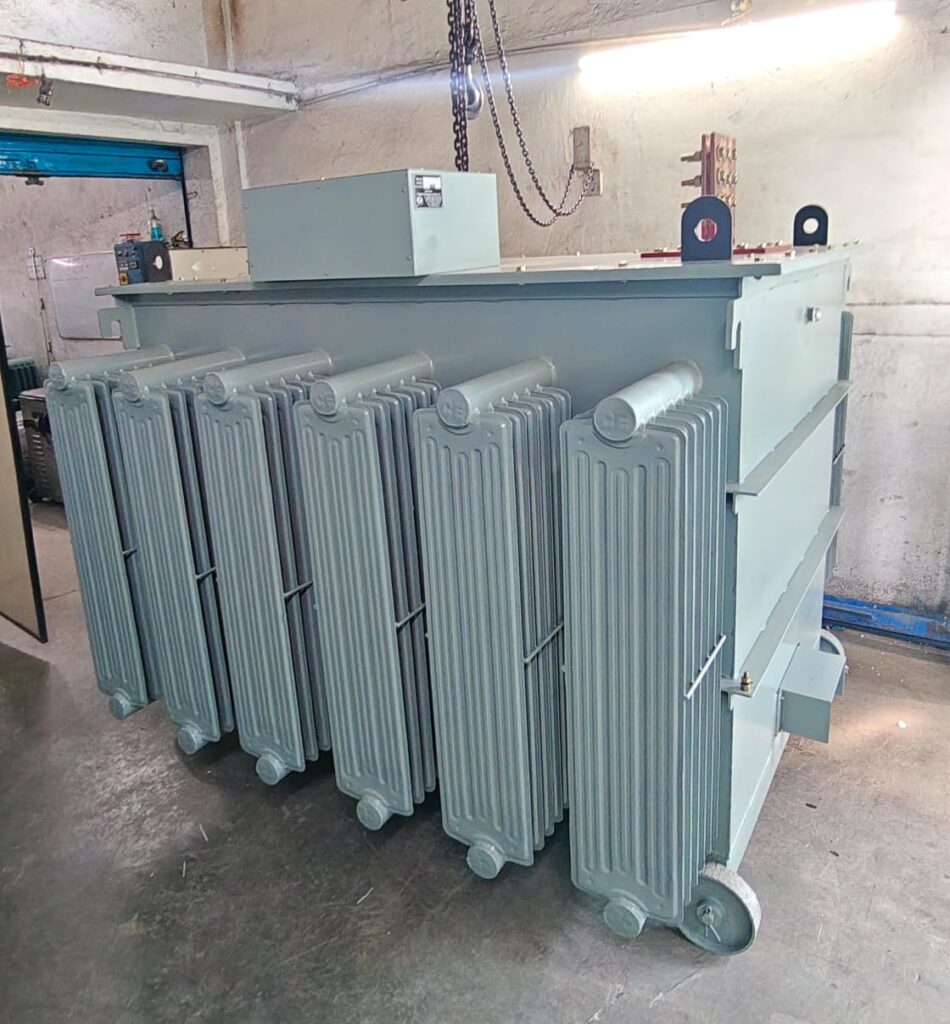
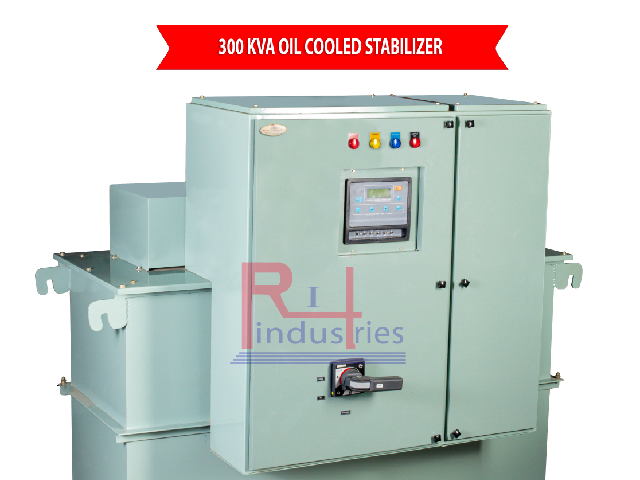
What Is a Servo Voltage Stabilizer and How to Choose the Right One for Your Industry Application?
What Is a Servo Voltage Stabilizer and How to Choose the Right One for Your Industry Application? In today’s power-unreliable environment, voltage fluctuations can damage expensive industrial equipment, disrupt production, and cause significant financial losses. The servo voltage stabilizer is the most reliable solution for maintaining constant output voltage in industrial settings. Whether you run a manufacturing plant, data center, hospital, or commercial establishment, choosing the right industrial servo stabilizer is critical for operational continuity and equipment longevity. What Is a Servo Voltage Stabilizer? A servo voltage stabilizer is an automatic voltage regulation device that uses a servo motor to maintain a constant output voltage despite variations in input voltage or load conditions. Unlike relay-based stabilizers, servo stabilizers provide smooth, continuous voltage correction without sudden jumps. How Servo Stabilizers Work The stabilizer contains a variable transformer with a carbon brush connected to a servo motor. When input voltage fluctuates: 1 Voltage sensing circuit detects the change 2 Control board calculates the correction needed 3 Servo motor rotates the brush to adjust transformer output 4 Output voltage returns to the set value (typically 220V/415V ±1%) This closed-loop system ensures precise voltage regulation with response times of 20-40 milliseconds. Why Servo Voltage Stabilizers Are Essential for Industry Industrial servo stabilizers offer superior performance compared to other stabilizer types: Advantages Over Relay-Based Stabilizers Feature Servo Stabilizer Relay Stabilizer Voltage Accuracy ±1% to ±2% ±5% to ±10% Response Time 20–40 ms 10–20 ms (step correction) Voltage Correction Continuous / Smooth Stepwise / Jerky Load Handling High (up to 2000 kVA) Low (up to 50 kVA) Lifespan 15–20 years 5–7 years Best For Industrial motors, heavy machinery Small commercial use Key Applications CNC machines & robotics – Maintains precision in automated systems Heavy manufacturing – Protects large motors from burnout Printing presses – Ensures consistent speed and quality Textile machines – Prevents fabric defects from voltage swings Packaging machinery – Avoids production stoppages Medical equipment – MRI, CT scanners need stable voltage Data centers – Protects servers and networking equipment How to Choose the Right Servo Voltage Stabilizer for Your Industry Application Selecting the correct industrial servo stabilizer requires evaluating these 7 key factors: 1. kVA Rating (Power Capacity) Calculate the total connected load of all equipment. Choose a servo stabilizer with 25% higher kVA rating than your actual load for safety margin and future expansion. Formula: Total Load (kW) ÷ 0.8 (Power Factor) × 1.25 = Required kVA 2. Input Voltage Range Determine your minimum and maximum input voltage. In India, voltage can fluctuate between 160V–280V in many areas. Select a servo stabilizer with wider input range (±25% to ±30%). 3. Output Voltage Accuracy For precision equipment like CNC machines and medical devices, choose servo stabilizers with ±1% output accuracy. General motors can work with ±2–3% accuracy. 4. Single Phase vs. Three Phase Single Phase Servo Stabilizer – For loads up to 25 kVA (offices, small shops) Three Phase Servo Stabilizer – For loads above 25 kVA (factories, industries) 5. Cooling System Air-cooled (fan-based) – Lower maintenance, suitable for clean indoor environments Oil-cooled – Better heat dissipation for continuous 24/7 operation in harsh industrial conditions 6. Safety Features Ensure your servo voltage stabilizer includes: Over-voltage and under-voltage cut-off Short-circuit and overload protection Phase failure and phase reversal protection (for 3-phase) Time-delay circuit for compressor/motor protection ISO 9001 certification 7. Build Quality and Durability Look for: Copper windings (not aluminium) for better efficiency IP54-rated cabinet for dust and water protection High-quality servo motor with long bearing life Digital display showing input/output voltage Top Industries Using Servo Voltage Stabilizers Industry Typical kVA Range Primary Application Manufacturing 50–500 kVA Motors, production lines Healthcare 25–150 kVA MRI, CT scanners, operation theaters IT & Telecom 30–200 kVA Servers, data centers Textile 75–300 kVA Spinning machines, looms Food Processing 50–250 kVA Refrigeration, packaging Printing 40–150 kVA Printing presses Hospitality 30–100 kVA HVAC, elevators, kitchens Common Mistakes to Avoid When Buying Servo Stabilizers Underrating kVA – Always add 25% safety margin Ignoring input voltage range – Check actual fluctuations at your location Choosing aluminium windings – Always select copper for longevity Skipping certifications – Ensure ISO 9001 and CE compliance Ignoring after-sales support – Local service availability matters Why Choose Rajdeep Industries for Servo Voltage Stabilizers? At Rajdeep Industries, we manufacture premium industrial servo voltage stabilizers tailored to your specific application. Our products feature: Wide input voltage range (±25% to ±30%) High accuracy (±1% to ±2% output stability) Efficiency >97% with copper windings Air-cooled and oil-cooled options available IP54-rated dust/water-resistant cabinets ISO 9001 certified quality Custom kVA ratings (5 kVA to 300 kVA) OEM/ODM services for unique requirements Reliable after-sales support from Mumbai, Maharashtra Visit us at www.rajdeepindustries.com to explore our range of servo voltage stabilizers and get expert consultation for your industry application.