

What Is a Rectifier and How to Choose the Right Rectifier for Your Industry Application?
What Is a Rectifier and How to Choose the Right Rectifier for Your Industry Application?
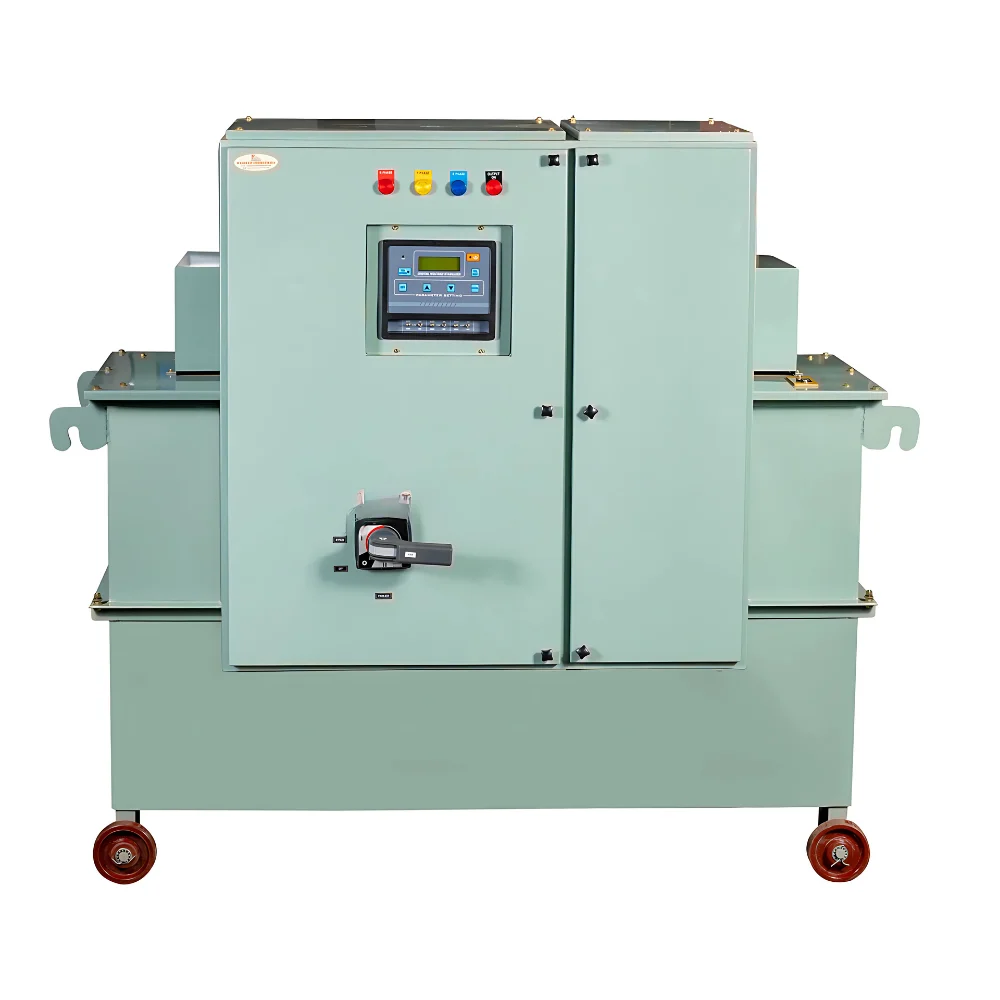
A rectifier is an electrical device that converts alternating current (AC) into direct current (DC) by allowing current to flow in only one direction. This process, called rectification, uses diodes that act as one-way valves within the circuit.
Rectifiers come in various forms including solid-state diodes, silicon-controlled rectifiers (SCR/thyristors), and IGBT-based systems. In industrial settings, they’re typically specified based on voltage applied, current needed, power quality requirements, and control arrangement.
Why Industrial Rectifiers Matter
Industrial rectifiers power critical processes across multiple sectors:
1
Electroplating & metal finishing
Consistent DC ensures uniform coating quality
2
Welding equipment
Stable DC improves arc stability and weld penetration
3
Chemical processing
DC drives electrolysis in chlor-alkali and electrowinning
4
Battery charging systems
Powers industrial vehicles and backup systems
5
Green hydrogen production
High-efficiency rectifiers for electrolyzers
How to Choose the Right Rectifier for Your Industry Application
Selecting the correct industrial rectifier requires evaluating these key criteria:
1. Output Voltage and Current
Select a rectifier that matches your process’s DC voltage and current requirements. High current with precise voltage control is crucial for consistent product quality in electroplating.
2. Ripple Factor and Output Stability
A low ripple factor (<1.5%) guarantees uniform plating and smooth finishes. Stability ensures process repeatability and reduces failures.
3. Efficiency and Power Quality
High-efficiency rectifiers minimize power loss, reducing operational costs. Modern PWM-based systems offer superior efficiency (>90%) and near-unity power factor.
4. Customization Capabilities
Some applications require custom voltage, current, or cabinet design. Choose a supplier who can customize to fit your project requirements.
5. Cost and Availability
Consider the rectifier’s price and availability within your budget. Ensure reasonable lead times for delivery and maintenance support.
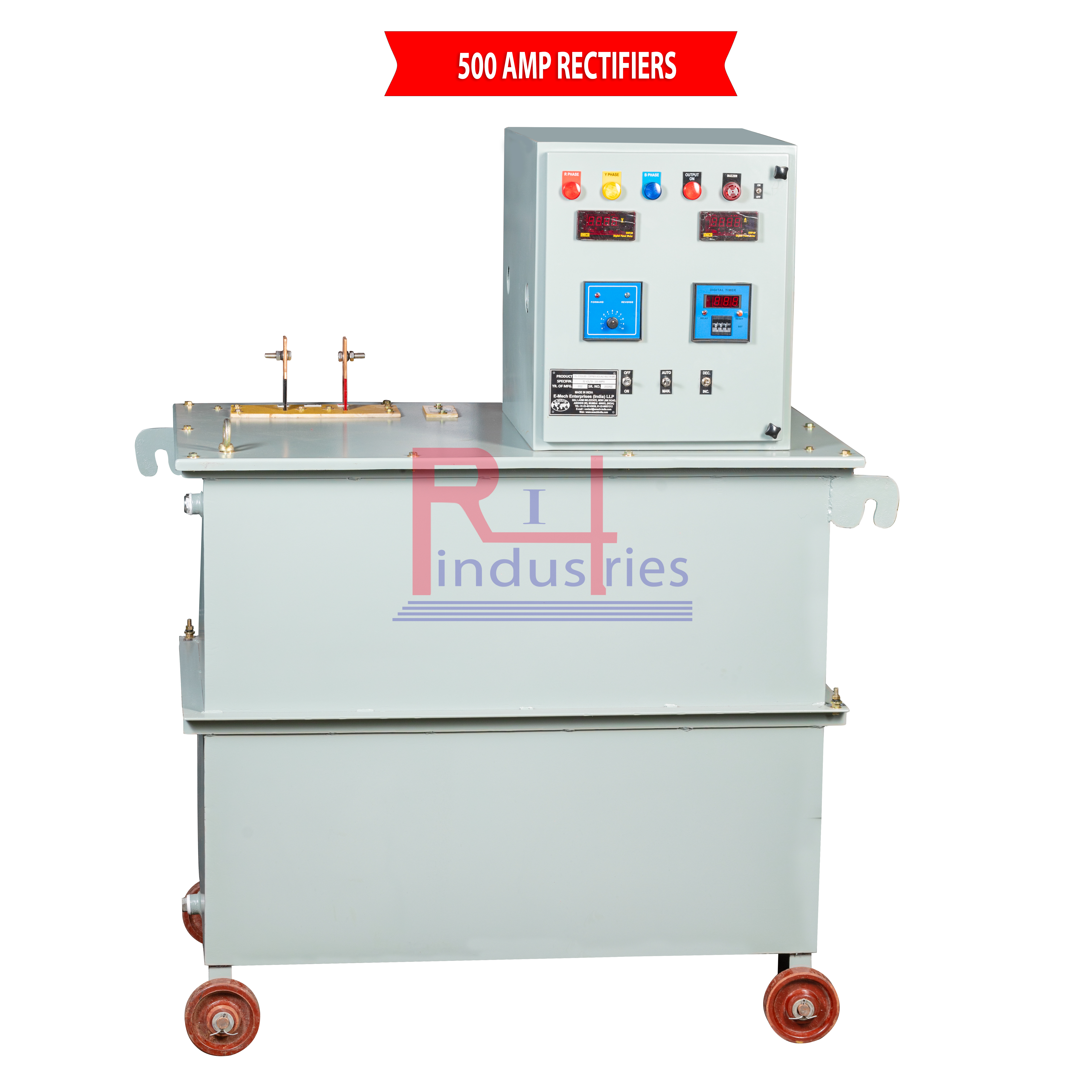
Top Industries Using Rectifiers
| Industry | Primary Application |
|---|---|
| Electroplating | Metal coating, anodizing, surface finishing of components |
| Welding | DC arc welding power sources for stable and efficient welding operations |
| Chemical Processing | Chlor-alkali processes, electrowinning, and electrochemical reactions |
| Water Treatment | Electrolysis-based purification, disinfection, and wastewater treatment |
| Manufacturing | Robust rectifiers designed to handle fluctuating industrial loads and continuous operations |
Why Choose Rajdeep Industries?
Visit www.rajdeepindustries.com for expert consultation on the perfect rectifier for your industry.